


Spring Septic Inspections: Why They Matter After Winter
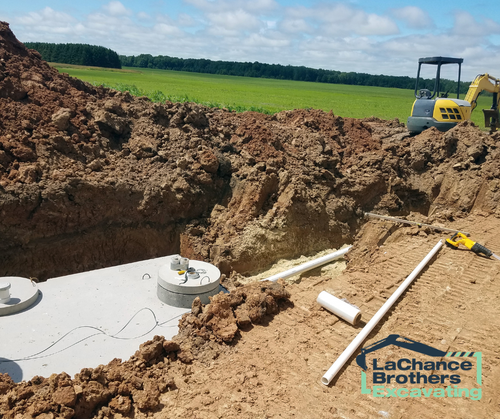
As the snow melts and Southeast Michigan begins to thaw, you might start thinking about lawn care, landscaping, and home maintenance. But septic systems are often overlooked.
Spring is one of the most critical times of year for septic system inspections. The freeze-thaw cycles of winter, combined with heavy snow and saturated soil, can put serious stress on your tank and drain field. For homeowners in South Lyon and surrounding areas, a proactive inspection can prevent expensive issues that may require septic field repair specialists later in the season.
For decades, we’ve helped local homeowners protect, repair, and maintain their septic systems with expert excavation and drain field solutions. Continue reading to see why spring inspections matter — and what to watch for.
How Winter Affects Your Septic System
Michigan winters are tough on septic systems. Here’s what happens beneath the surface:
1. Freeze-Thaw Cycles
When temperatures fluctuate, the ground expands and contracts. This movement can:
- Shift septic pipes
- Crack components
- Compact soil over the drain field
- Restrict proper drainage
2. Heavy Snow Cover
While snow can insulate the ground, melting snow introduces a large volume of water into already saturated soil. If your drain field struggles to absorb water, you may see pooling or soggy spots.
3. Frozen Pipes
In extremely cold conditions, septic lines can freeze — especially if your system wasn’t properly maintained before winter. Blockages may not become obvious until spring.
Why Spring Is the Ideal Time for an Inspection
Spring inspections allow you to catch damage early — before summer usage increases and landscaping projects begin.
1. Early Detection Saves Money
Minor issues such as soil compaction, minor pipe shifts, or drainage inefficiencies can often be corrected before they evolve into full drain field failure.
2. Prevent System Overload
Spring rain combined with snowmelt creates saturated soil conditions. If your drain field is already compromised, this extra moisture may push it past its limit.
3. Protect Property Value
A failing septic system can significantly impact property value. Addressing issues promptly helps maintain your investment.
We understand soil conditions and drainage challenges specific to South Lyon and the surrounding communities. Our experience allows us to quickly diagnose whether your system needs minor adjustment or more involved septic field repair.
What Happens During a Spring Septic Inspection?
A professional inspection typically includes:
- Visual evaluation of the drain field
- Checking for signs of soil saturation
- Assessing tank levels
- Inspecting baffles and connections
- Identifying pipe damage or root intrusion
- Evaluating drainage patterns
If problems are detected, we’ll recommend solutions ranging from minor corrections to full septic field repair for your South Lyon home.
Because septic issues often involve excavation and soil evaluation, it’s essential to work with an experienced contractor who understands grading, drainage, and proper field restoration. We specialize in diagnosing problems and implementing durable, long-term repair solutions. Our excavation expertise ensures the job is done correctly, protecting your yard and preventing repeat failures.
Don’t Wait Until It Becomes an Emergency
Spring is the perfect time to inspect your septic system and address small problems before they turn into major repairs. A proactive inspection can extend the life of your system, protect your home and yard, prevent health hazards and save you thousands in emergency repair costs.
If you suspect an issue — or simply want peace of mind — contact us to schedule your spring septic inspection. Because when it comes to septic systems, early action today prevents costly septic field repairs tomorrow.